Understanding the Allure of Casino Entertainment
Casino entertainment is often viewed as an exhilarating escape from the mundane, offering patrons a blend of excitement, social interaction, and the possibility of financial gain. However, the initial allure can mask various hidden costs that tend to creep up on players. Many individuals are drawn in by the bright lights, the sounds of winning, and the thrill of chance, but they may discover that many reputable bitcoin betting sites also emphasize responsible gaming practices that are crucial for maintaining financial health. This experience can lead to a series of expenses that extend beyond the anticipated game stakes.
Moreover, the immersive environment of casinos is designed to keep players engaged longer, which contributes to spending that goes beyond what one might have reserved for gambling. For instance, while a player may enter with a budget solely for gaming, the alluring atmosphere may prompt them to indulge in dining, entertainment, or even hotel accommodations. These factors can significantly inflate the overall cost of a casino visit.
In addition, the social aspects of casino entertainment should not be overlooked. Many people visit casinos in groups, creating a sense of camaraderie that can lead to shared expenses such as drinks and meals. The instinct to celebrate wins or commiserate over losses can prompt unplanned spending, making it essential for visitors to keep their budget in mind while enjoying the social dynamics of the casino environment.
The Role of House Edge and Its Financial Implications
Each game in a casino is designed to give the house an edge, meaning that over time, the odds are statistically in favor of the establishment. This fundamental principle is a hidden cost that many may not consider when budgeting for a night out. For example, slot machines and table games such as blackjack or roulette may have varying house edges that directly affect how much players can expect to lose over time. Understanding these odds can help players make informed choices about which games to play and the likely return on their investment.
Additionally, the variance in the house edge leads to differences in the potential for losing money quickly versus slower losses over time. For instance, games with a higher house edge might seem more appealing due to their lower initial stakes, but they can lead to significant losses in a short period. Educating oneself about house advantages can serve as a crucial aspect of responsible gambling, guiding players to make choices that align with their financial goals.
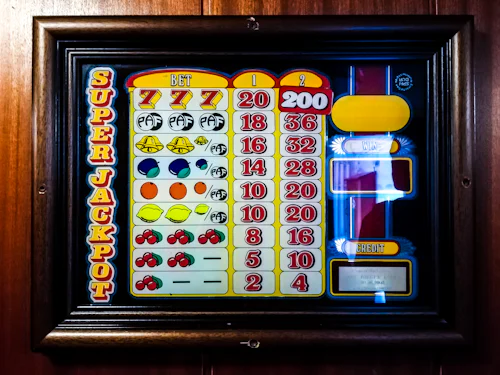
Moreover, many casinos employ various marketing strategies to highlight games with lower perceived risks or favorable odds, luring players into investing more than they initially planned. Promotions, loyalty programs, and bonuses can create an illusion of better chances of winning. However, it’s vital for players to scrutinize these promotions closely, as the fine print often reveals specific terms that could negate any apparent advantages and contribute to unforeseen expenses.
The Impact of Luxury Amenities on Your Wallet
Beyond the gaming tables, casinos often boast a host of luxury amenities designed to entice patrons to spend more money. Upscale restaurants, vibrant bars, and lavish hotels are just a few examples of the additional expenses that can arise during a casino visit. While indulging in fine dining or enjoying a cocktail may seem like a natural extension of the entertainment experience, these costs can accumulate rapidly and catch visitors off-guard.
Furthermore, these amenities are intentionally integrated into the casino experience to enhance patron retention. Players often find themselves drawn to the convenience of having multiple entertainment options all in one location. The temptation to extend their stay or indulge in high-end services may lead to unexpected financial strain, particularly for those who may have entered with only a gambling budget in mind.
The allure of exclusive access or VIP services may also contribute to overspending. Casinos frequently promote high-roller lounges, private gaming areas, and special events that promise added value but may come with steep entry fees or requirements for minimum spending. This can lead to unintended expenses that go well beyond the initial gaming budget, making it essential for casino-goers to remain vigilant regarding their financial limits amidst the lavish offerings.
The Psychological Factors Influencing Spending Habits
The psychology of gambling plays a significant role in the hidden costs associated with casino entertainment. Emotional responses such as excitement, disappointment, and even stress can drive players to make unplanned spending decisions. For example, after a significant win, players may feel emboldened to bet larger amounts, thinking that their luck will continue. Conversely, after a loss, the desire to recoup losses can lead to impulsive behavior, resulting in overspending that extends far beyond original intentions.

Additionally, the concept of loss aversion is pivotal within gaming environments. Players are often more motivated to avoid losses than to achieve gains, which may lead them to chase their losses. This behavior can significantly escalate expenses and lead to a devastating cycle of financial strain. Recognizing these psychological triggers is essential for anyone wishing to enjoy casino entertainment responsibly without succumbing to the pressures of immediate gratification.
In this context, developing a personal gambling strategy that limits risk can be particularly beneficial. Setting strict financial boundaries and recognizing emotional triggers can help players maintain control over their spending habits, allowing for a more enjoyable experience without the hidden costs that often accompany impulsive decisions in high-stakes environments.
Exploring Resources for Responsible Gambling
Ensuring that casino entertainment remains a fun and manageable experience requires individuals to access and utilize available resources for responsible gambling. Many casinos recognize the importance of promoting responsible gaming and offer tools for players to set limits on their spending, time, and engagement levels. These resources can be invaluable for maintaining a balance between entertainment and financial responsibility.
Additionally, there are numerous organizations and websites dedicated to educating individuals about responsible gambling. These organizations offer guidance, support, and resources aimed at helping players make informed choices about their expenditures and engagement in gaming activities. Accessing such resources can help mitigate the hidden costs associated with casino entertainment by encouraging more mindful and informed behavior.
Moreover, embracing a community of responsible gamblers can reinforce healthy habits and provide social support for those seeking to enjoy gaming without overstepping financial boundaries. Connecting with like-minded individuals and sharing experiences can cultivate a culture of accountability, which is essential for ensuring that casino entertainment remains a pleasurable escape rather than a source of financial distress.
